Electrical Considerations During Boiler Installations
Installing a new boiler is one of the most important upgrades a homeowner can make to improve comfort, energy efficiency and heating performance. While many people focus primarily on the plumbing and heating aspects of a boiler installation, the electrical side of the project is equally important. Modern boiler systems rely heavily on electrical components to operate safely and efficiently, making proper electrical planning essential during installation.
Whether you are replacing an outdated boiler or installing a completely new heating system as part of a renovation project, understanding the electrical considerations involved can help prevent future problems, improve system performance and ensure compliance with current safety regulations.
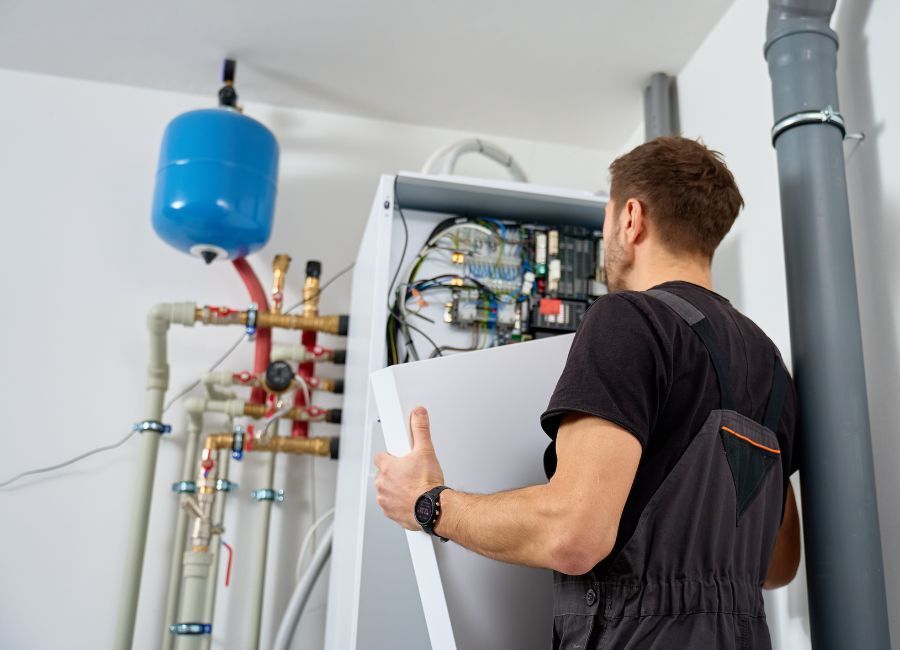
Why Electrical Work Matters During Boiler Installations
Modern boilers are far more advanced than older heating systems. Today’s units often include digital controls, smart thermostats, automated safety mechanisms and energy-efficient technology that all rely on properly installed electrical connections.
Without adequate electrical support, even a high-quality boiler may experience:
- Operational faults
- Reduced efficiency
- Safety issues
- Frequent shutdowns
- Increased maintenance problems
This is why boiler installations often require coordination between electricians and heating professionals to ensure the entire system functions correctly.
Assessing the Existing Electrical System
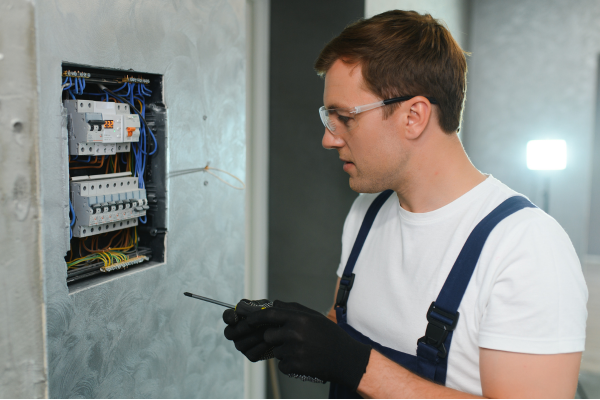
Before a boiler installation begins, the property's existing electrical infrastructure should be assessed carefully. Older homes in particular may not have electrical systems capable of safely supporting modern heating equipment.
An assessment typically includes checking:
- Consumer unit capacity
- Existing wiring condition
- Earthing and bonding
- Circuit protection
- Power supply requirements
If the electrical system is outdated, upgrades may be necessary before the new boiler can be installed safely.
Ignoring these issues can create long-term reliability and safety concerns.
Dedicated Power Supplies for Boilers
Most modern boilers require a dedicated electrical connection rather than sharing power with general household circuits. This helps ensure stable operation and reduces the risk of overloading electrical systems.
A qualified electrician may need to install:
- A dedicated fused spur
- Proper isolation switches
- Circuit protection devices
- Updated wiring connections
These elements are essential for meeting UK electrical safety standards and supporting safe boiler operation.
Smart Heating Controls and Wiring
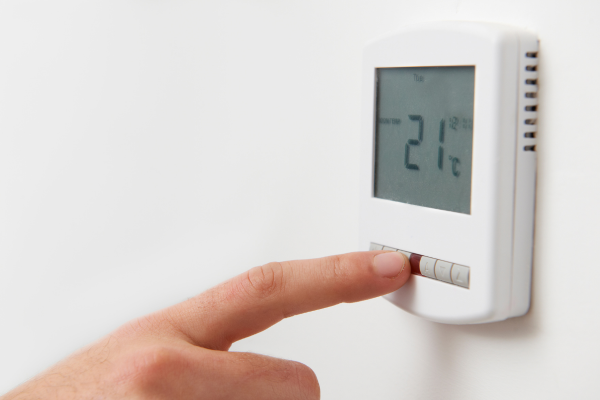
Smart thermostats and heating controls have become increasingly popular due to their ability to improve efficiency and reduce energy costs. However, integrating these systems often involves additional electrical work.
Smart heating installations may require:
- New control wiring
- Wireless connectivity setup
- Upgraded thermostats
- Zoned heating controls
- Integration with smart home systems
Proper installation ensures the heating system communicates effectively with the boiler while maintaining energy-efficient performance.
Homeowners planning modern heating upgrades often work alongside experienced plumbing and heating specialists who understand how electrical systems integrate with contemporary boiler technology.
Electrical Safety and Compliance
Boiler installations must comply with both heating regulations and electrical safety standards. Poor electrical work can lead to serious hazards, including electrical faults, overheating or system failures.
Key safety considerations include:
- Correct earthing and bonding
- Proper cable sizing
- Compliance with Part P regulations
- Safe positioning of electrical components
- Adequate ventilation around equipment
Using qualified professionals ensures the installation meets current building and electrical standards while reducing the risk of future problems.
Boiler Relocation and Electrical Adjustments
In some renovation projects, homeowners choose to relocate their boiler to a different part of the property. Moving a boiler often involves more than simply rerouting pipework.
Relocation may require:
- New electrical circuits
- Additional wiring
- Upgraded controls
- Relocation of thermostats
- Changes to power supply access
Planning these adjustments carefully helps minimise disruption and ensures the installation remains efficient and compliant.
The Role of Electricians During Heating Projects
Although heating engineers manage the boiler installation itself, electricians often play an equally important role in the project. Coordination between trades helps ensure the system is installed safely and functions correctly from the start.
Electricians may assist with:
- Wiring heating controls
- Installing isolation switches
- Upgrading consumer units
- Testing electrical safety
- Ensuring regulatory compliance
This collaborative approach is particularly important in larger renovation or refurbishment projects where multiple systems are being upgraded simultaneously.
Energy Efficiency Considerations
Electrical planning during boiler installations can also improve energy efficiency throughout the property. Modern heating systems are designed to work alongside energy-saving technologies that reduce running costs and environmental impact.
Examples include:
- Smart thermostatic controls
- Zoned heating systems
- Energy-efficient circulation pumps
- Weather compensation controls
- Smart scheduling systems
When installed correctly, these features can significantly improve heating performance while lowering energy consumption.
Common Mistakes to Avoid
Many boiler-related problems stem from inadequate planning or poor coordination between trades. Common mistakes include:
- Failing to assess existing electrics
- Using outdated wiring
- Overloading circuits
- Poor thermostat placement
- Incorrect smart control installation
Avoiding these issues requires careful preparation and experienced professionals who understand both heating and electrical requirements.
Planning Boiler Installations During Renovations
Home renovations often provide the ideal opportunity to upgrade heating systems and improve electrical infrastructure at the same time. Carrying out both tasks together can reduce labour costs and minimise disruption.
This is particularly beneficial when:
- Replacing outdated systems
- Extending the property
- Renovating kitchens or utility rooms
- Improving energy efficiency
- Upgrading older homes
Integrated planning ensures all systems work together effectively and future maintenance needs are reduced.
Final Thoughts
Boiler installations involve far more than simply fitting a new heating unit. Electrical considerations play a critical role in ensuring the system operates safely, efficiently and reliably for years to come.
From dedicated power supplies and smart controls to safety compliance and system integration, proper electrical planning is essential during any boiler installation project. By working with qualified electricians and experienced heating professionals, homeowners can avoid common issues while improving comfort, energy efficiency and long-term reliability.
Whether you are upgrading your heating system as part of a renovation or replacing an ageing boiler, taking electrical requirements seriously will help ensure the entire installation performs to the highest standard.